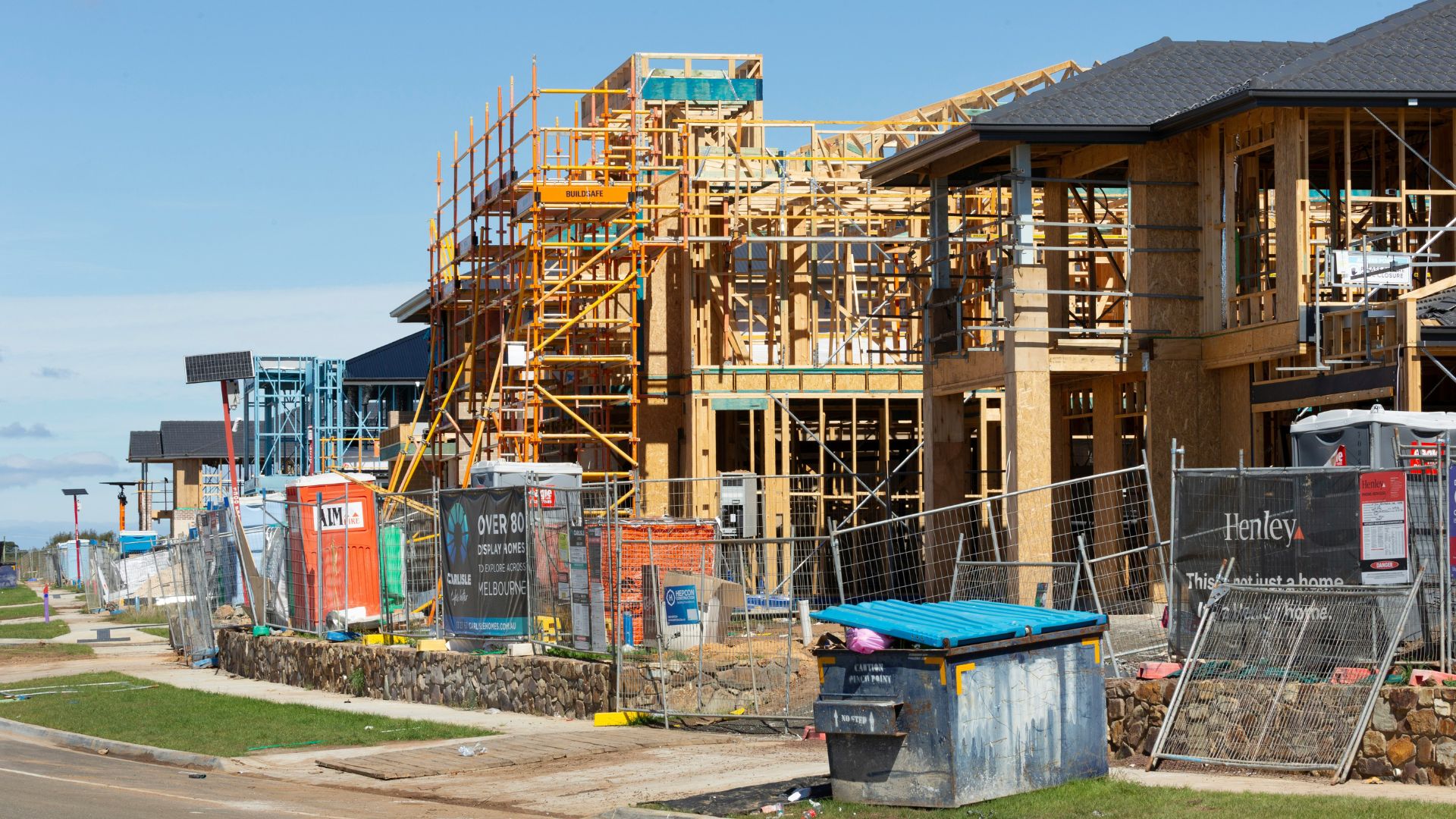
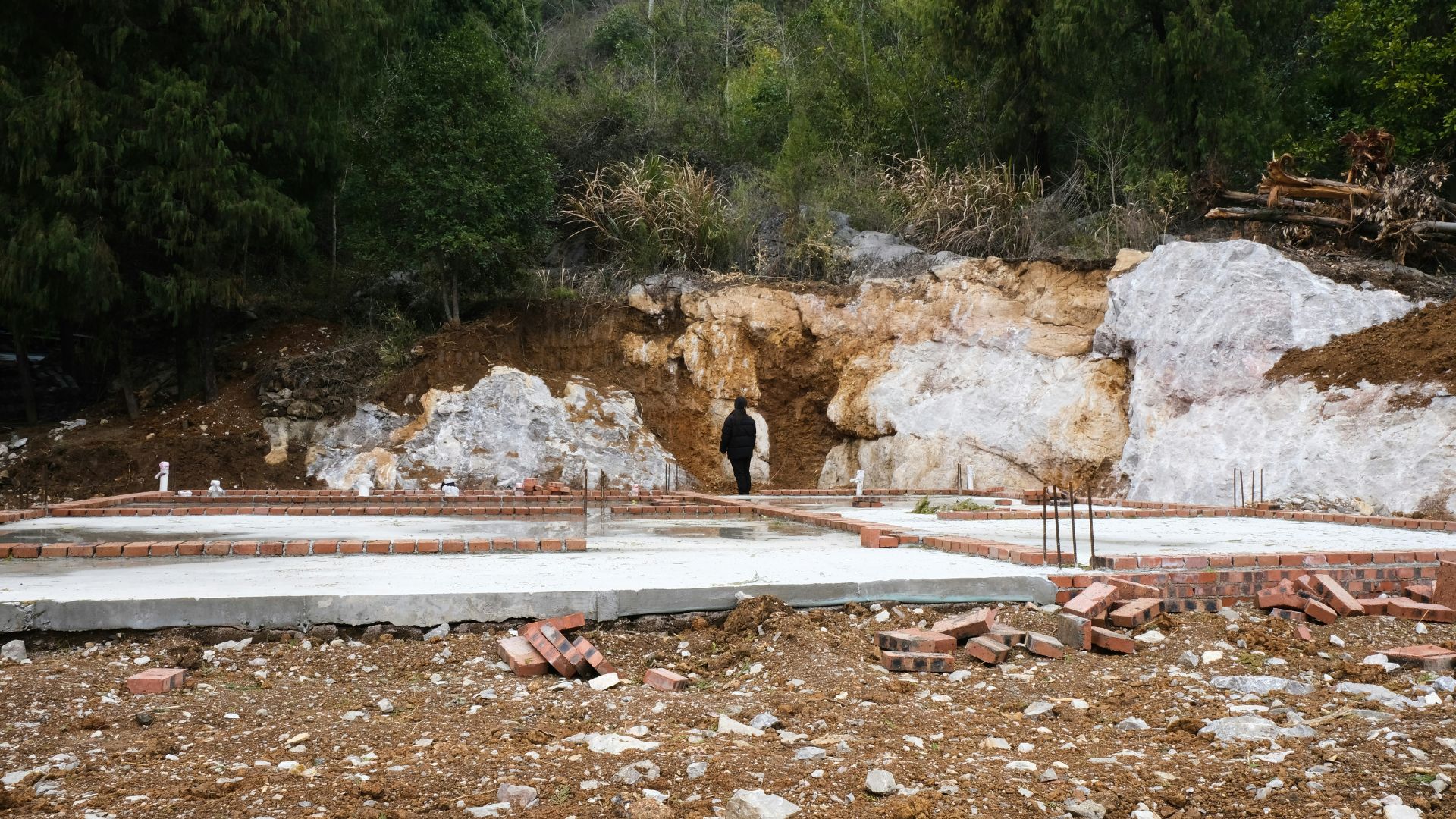
He’s built houses before. Framed them. Wired them. Plumbed them. Finished them. Sold them.
He bought an acre in the North Valley. Designed a custom home. Drew up a forty-line-item construction budget at $185 per square foot. Had a prior build on his record — completed and sold for $635,000.
He walked into a bank and asked for a construction loan.
They said no.

The Owner-Builder Problem
Here’s the gap most people don’t know exists.
Conventional construction lenders require a licensed general contractor on every project. The borrower hires the GC. The GC manages the build. The lender funds draws against the GC’s progress.
But what happens when the borrower is the builder?
When the person buying the land and applying for the loan is the same person swinging the hammer, managing the subs, and pulling the permits?
Banks walk away. Their underwriting models don’t have a box for it. The risk doesn’t fit the template. So they say no — even when the builder has a track record, a budget, and a completed project already behind them.
The skill isn’t the problem. The lending model is.

How a Private Lender Structured the Deal
A private lender looked at the same facts the bank looked at — and saw a fundable deal.
The borrower owned the acre free and clear. No liens. Clean title. An MAI appraisal valued the completed home at $815,000. The loan request was $485,000 — fifty-nine-and-a-half percent of that completed value.
But a construction loan isn’t a check you hand someone on day one. It’s a capital deployment that unfolds in stages. The lender structured it that way — using a two-tranche model that protects both sides on every construction deal.
Two-tranche advance: $214,000 at close to break ground and start foundation work. The remaining $271,000 held back — released only after an independent inspection confirms the project has hit fifty percent completion.
Five inspection-gated draws: Well and foundation. Framing and roof. Mechanical, electrical, and plumbing with drywall. Finishes. Final walkthrough. Each draw released after a local inspector signs off.
Day-one capital at risk: Roughly $20,000 after the holdback and closing costs. The lender’s exposure steps up only as the project delivers verifiable progress.
This is what controlled capital deployment looks like. If construction stalls at any checkpoint, the next tranche doesn’t release. The structure protects both sides.

The Gap Private Money Fills
Arizona’s single-family building permits dropped thirty-three percent year-over-year. Builders are pulling back. But experienced builders with land, budgets, and track records are still out there — ready to build. Banks won’t fund them. The underwriting model doesn’t allow it.
Private money fills that gap. Not by cutting corners — but by structuring deals that match how construction actually works. Advance draws instead of reimbursements. Inspection gates instead of blind faith. Capital that moves at the speed of the build.
The builder on this deal broke ground with $214,000 in initial capital and a clear path to the remaining $271,000. His budget is at $185 per square foot. His prior build sold for $635,000. His land is free and clear.
Every fact says this deal works. The only thing that didn’t work was the bank’s template.
Kenwood Mortgage Investments has funded ground-up construction in Arizona for over thirty years. We fund the deal — not the template.
Call (480) 783-8800. Get your term sheet in 48 hours.